Although discussing mental health shouldn’t be difficult, many people find it to be so. The guilt of being called “weak,” the dread of being judged, and the pressure to “snap out of it” don’t just hurt; they also silence. Silence can also be fatal.
You are not the only one who has ever experienced mental health issues and been embarrassed, disregarded, or rejected. You’re not alone if you’ve ever been reluctant to get in touch out of concern that you could be misinterpreted. Stigma is not limited to private discussions; it can also be found in the workplace, where efficiency is valued over wellbeing, in families, where therapy is viewed as a “excuse,” in schools, where punishment is used rather than assistance, and in a culture that celebrates fortitude while decrying vulnerability.
Why Mental Health Matters for Everyone
It shouldn’t be hard to talk about mental health, yet it is for many individuals. The fear of being judged, the guilt of being labeled “weak,” and the pressure to “snap out of it” not only cause pain, but they also silence. Silence can be deadly, too.
If you have ever struggled with mental health difficulties and been rejected, ignored, or ashamed, you are not alone. If you’ve ever been reluctant to contact someone because you’re afraid they might misunderstand you, you’re not alone. Stigma is not just present in private conversations; it may also be seen in families, where therapy is seen as a “justification,” in schools, where punishment is employed instead of support, and in the workplace, where productivity is prioritized over wellness.
Books can save lives. They provide perspective, affirm emotions, and serve as a reminder that recovery is achievable. Here are some insightful books to read if you want to learn more about mental health, either for yourself or to become a better ally:
Books That Shine a Light on Mental Health
The Bell Jar – Sylvia Plath (Buy Here)
A semi-autobiographical, eerie book that encapsulates the oppressive burden of despair. Esther Greenwood appears to have everything, but on the inside, she’s falling apart. Anyone who has ever been imprisoned by their own thoughts should read this book because of Plath’s honest and poetic language.

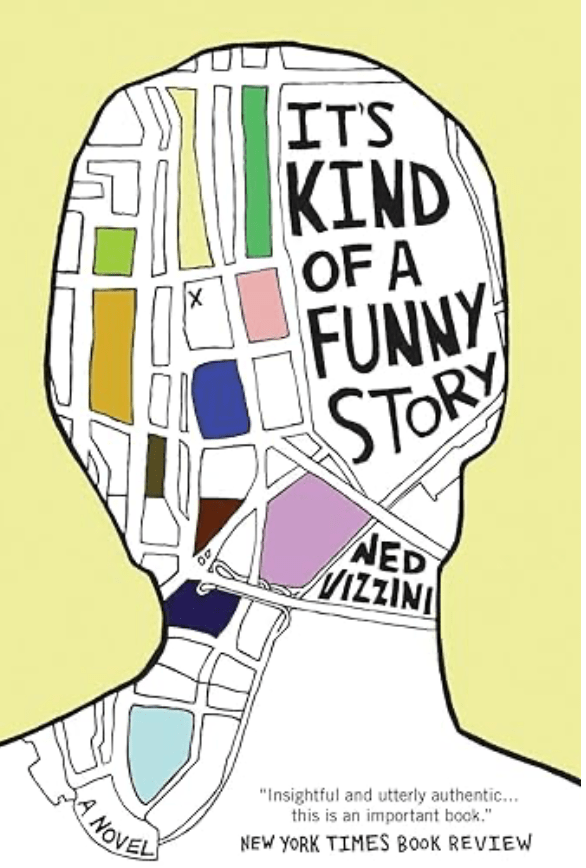
It’s Kind of a Funny Story– Ned Vizzini (Buy Here)
This book centers on Craig, a successful kid who descends into despair, and is based on the author’s personal experience. After being admitted to a mental health facility, he encounters individuals who alter his outlook on life. It serves as a sobering but uplifting reminder that asking for assistance is not a sign of weakness but rather of survival.
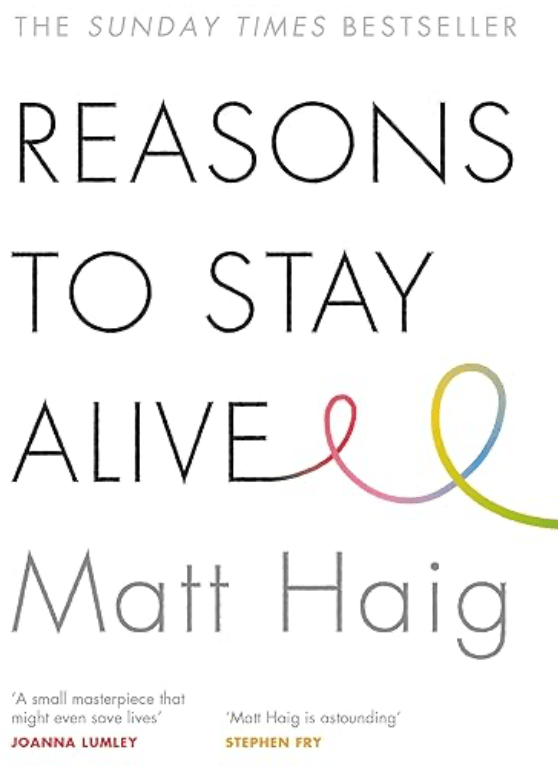
Reasons to Stay Alive– Matt Haig (I couldn’t find its link online)
An incredibly intimate book detailing Haig’s battle with depression and anxiety. He doesn’t minimize the darkness, but he also doesn’t allow it to triumph either. He examines what it means to live when your mind tells you otherwise with kindness and candor.
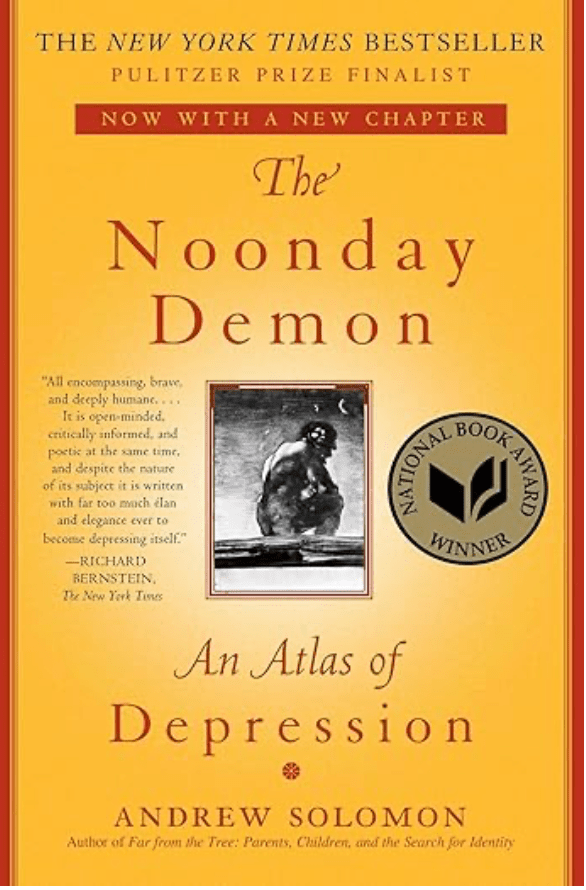
The Noonday Demon: An Atlas of Depression – Andrew Solomon (Buy Here)
A comprehensive and compassionate look at depression, weaving personal stories with scientific research. Solomon breaks down stigma by making mental illness something we understand rather than fear.
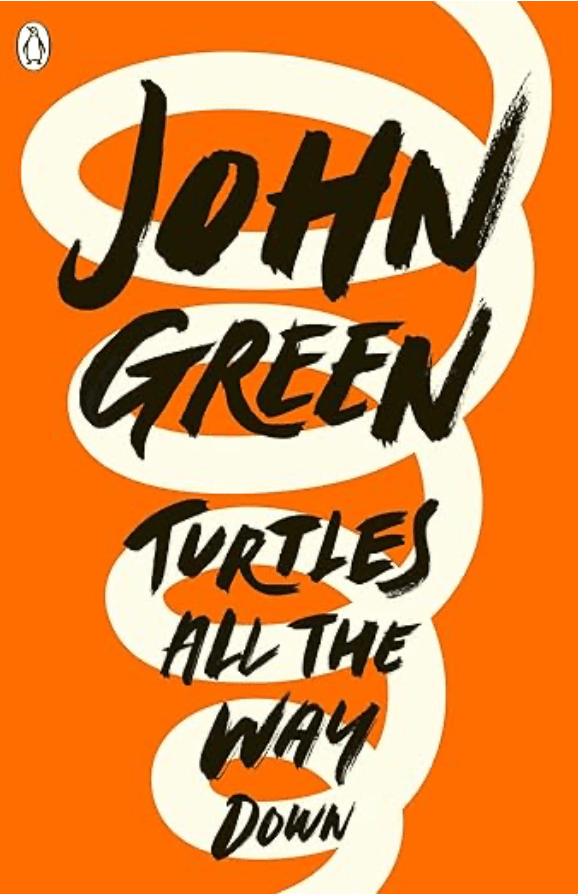
Turtles All the Way Down – John Green (Buy Here)
A gripping YA novel that portrays OCD and anxiety through the eyes of Aza, a teenager caught in an endless loop of intrusive thoughts. Green’s portrayal of mental illness is both deeply personal and profoundly relatable.
What Can We Do?
Breaking the stigma starts with us. We need to talk about mental health like we talk about physical health—without shame. We need to listen when someone opens up, instead of offering quick fixes or judgment. We need to challenge the words and attitudes that keep people suffering in silence.
And if you’re struggling, please know this: You are not a burden. You are not alone. You are worthy of help, of love, and of a life that feels lighter. Healing isn’t linear, and some days will be harder than others, but you are still here. And that is enough.
Because at the end of the day, mental health isn’t just about surviving—it’s about living. And everyone deserves that chance.
 readingthatbook.com