Racism is present now and ingrained in daily life; it is not merely a thing of the past. It manifests itself in opportunities, policies, informal discussions, hiring decisions, and who is given a voice. It’s the unexpressed prejudices we all own, the uneasiness that arises in a room when specific subjects are spoken, and the privilege that some people never have to consider.
It is awkward to discuss race, but it is harder to keep quiet. We enable injustice to flourish if we steer clear of it. We support the oppressor if we remain neutral. Where do we begin, then? Through listening, learning, and—above all—unlearning.
The Weight of Racial Injustice
Racism is more than just offensive remarks or isolated events, according to individuals who are affected. It’s the weariness of always demonstrating your value, the anxiety of being misinterpreted or mistreated, and the structural obstacles that restrict prospects. It’s being followed when you enter a store, seeing news reports that denigrate people who resemble you, and realizing that the world was not created with your success in mind.
It’s simple to ignore racism and think it’s a thing of the past for people who haven’t personally experienced it. However, racial injustice continues to influence lives, polarize communities, and shape destinies. And we must be prepared to see it, question it, and make changes if we genuinely wish to improve.
What Can We Do?
Racism is systematic, not limited to individual acts. In other words, change necessitates awareness, advocacy, and action in addition to kindness. Recognizing the existence of racial injustice, educating ourselves through literature and personal experiences, and being open to having difficult discussions are all necessary. Speaking up when we observe injustice, addressing our own biases, and actively supporting organizations fighting for racial equity are critical measures. Above all, we need to make sure that the next generation understands inclusiveness and justice, beginning with conversations in the classroom and at home. Every day, when we choose to contribute to the solution, change occurs.
Books to Deepen Your Understanding
Reading isn’t just about gaining knowledge—it’s about shifting perspectives. These books will challenge you, move you, and help you become a stronger ally in the fight for racial justice:
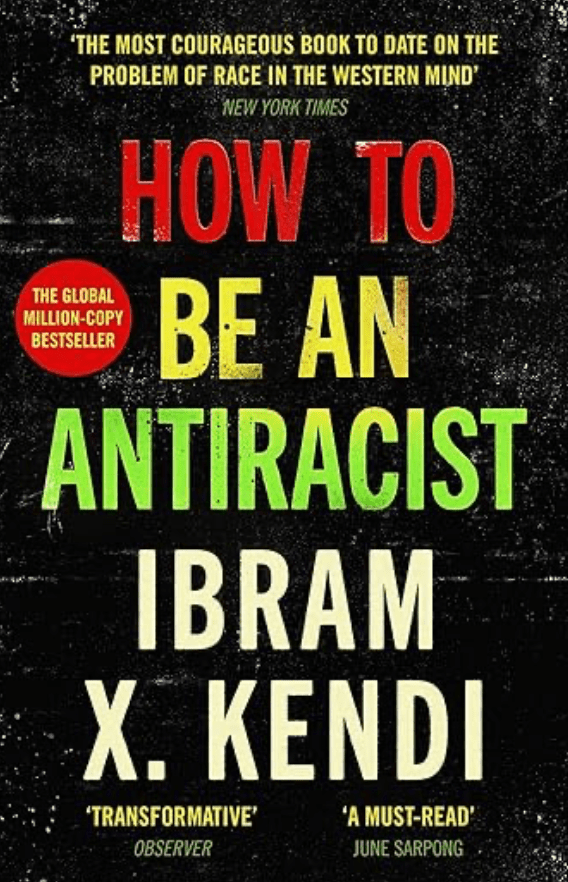
How to Be an Antiracist– Ibram X. Kendi (Buy Here)
Racism encompasses more than just hatred; it also involves acts, policies, and power. This book demonstrates how we need to actively combat racism and helps dispel the notion that “not being racist” is sufficient.
Between the World and Me – Ta-Nehisi Coates (Buy Here)
In this letter to his son, Coates weaves historical background with personal experience to create a visceral, potent portrait of what it means to be Black in America.

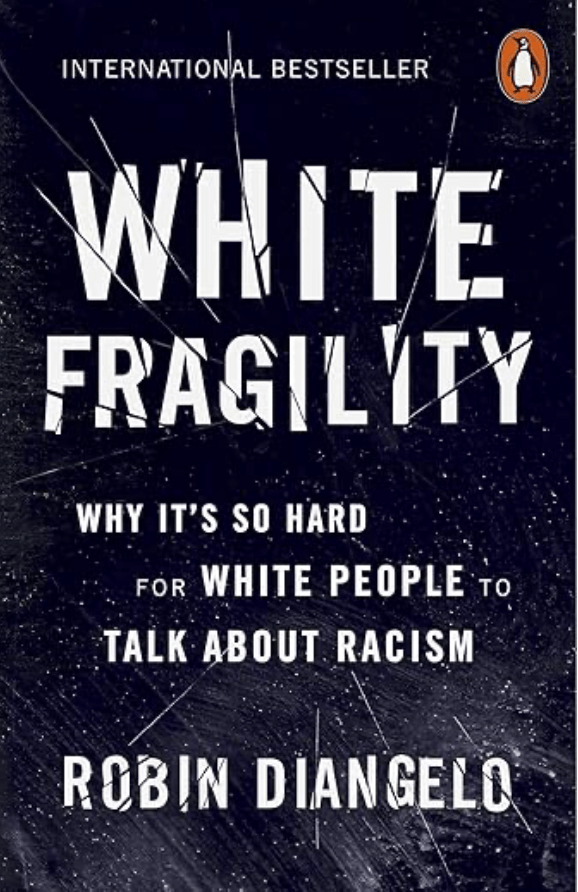
White Fragility – Robin DiAngelo (Buy Here)
Why is it that so many white individuals find it difficult to discuss race? This book examines privilege, defensiveness, and how to conduct fruitful discussions about racism.
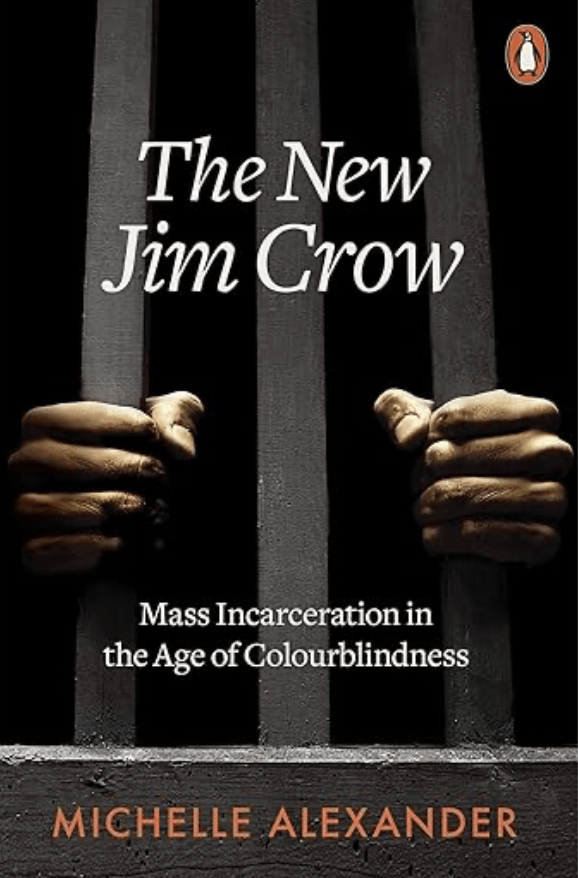
The New Jim Crow – Michelle Alexander (Buy Here)
A groundbreaking book that reveals how mass incarceration in America is a continuation of racial segregation, disproportionately targeting Black communities.
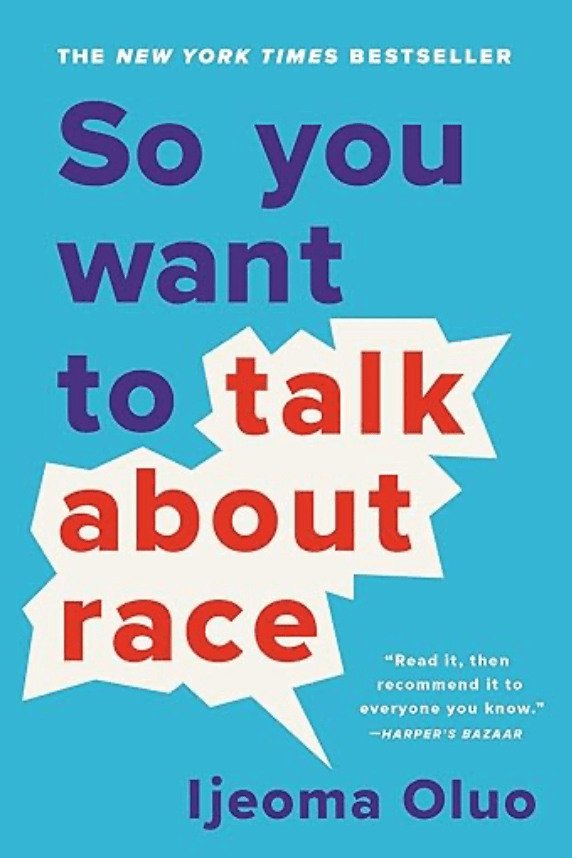
So You Want to Talk About Race– Ijeoma Oluo (Buy Here)
A useful, straightforward manual for anyone hoping to learn the nuances of racism in daily life and have fruitful discussions about race.
Change Starts With Us
Racial injustice is not just a problem for those who experience it—it’s a problem for all of us. And that means all of us have a responsibility to change it. We can’t undo the past, but we can shape the future.
So, ask yourself: What will you do today to make the world more just, more equal, more human?
Because staying silent is not an option.
 readingthatbook.com